Speech analytics
Why business owners pay for calls nobody hears
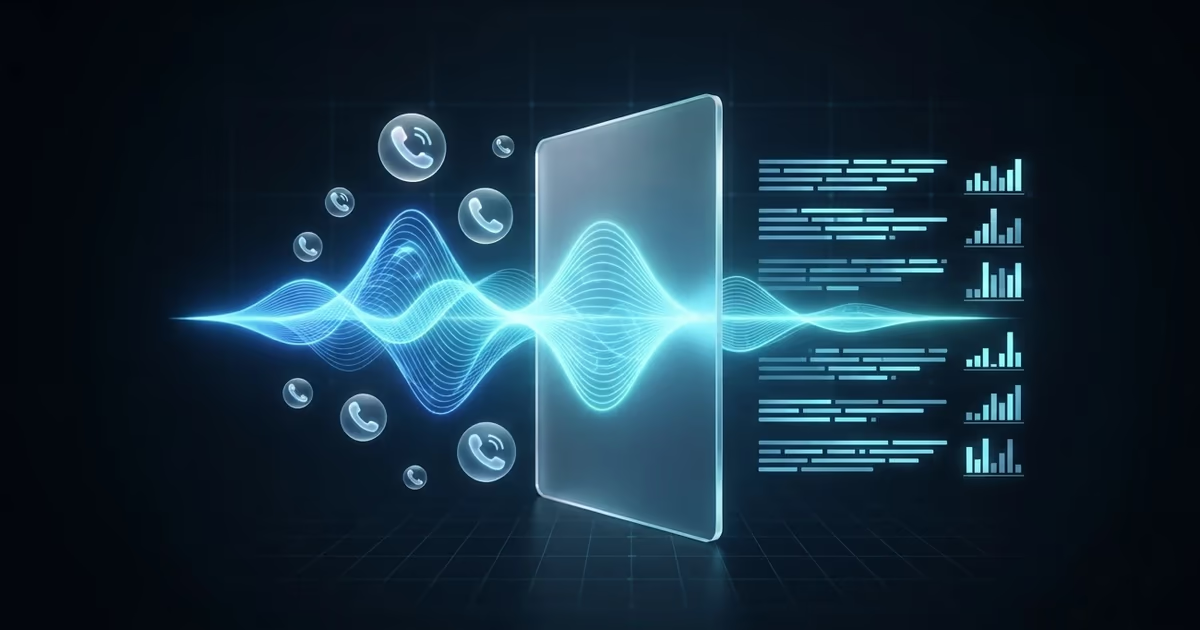
Your contact center handles dozens or hundreds of calls a day. The ads are running, leads are coming in, and your agents are busy on the phone. And yet you most likely have no idea what actually happens on the other end of the line.
You see the ad budget. You see the deals in your CRM. What you don't see is the conversation itself: the moment a customer either stays with you or quietly leaves for a competitor. That is often where a deal is decided. A customer can walk away because of an agent's mistake on the call, not just because of the price or "bad leads".
How many calls do you really monitor?
Usually far fewer than you think. A 5–7 minute call plus scoring it against a checklist takes a supervisor or QA specialist about 10 minutes. A team of five agents produces around a hundred calls a day. Listening to all of them would take more than 16 hours of pure work every day, and that is no longer part of one supervisor's job. It is a full-time position of its own.
That is why, in practice, only 3–5% of calls get reviewed by hand. The other 95% are a black box. Rudeness, unfounded promises, unanswered objections or a simply forgotten next step can all hide in there, and you only find out once the customer has left and posted a bad review.

There is one more catch: even the 3–5% that do get reviewed don't guarantee an objective picture. Two QA specialists scoring the same call often give noticeably different results, simply because no person can work through a checklist with the same attention and impartiality every time. Selective manual review is more an illusion of control than the real thing.
What speech analytics is, in plain terms
Speech analytics is a service that listens to and analyzes 100% of your calls instead of a hand-picked sample. At Rikkicom we have been working with voice technology for over 7 years. We started with call-based verification, spent years developing speech recognition alongside it, and brought that work together in our speech analytics product.
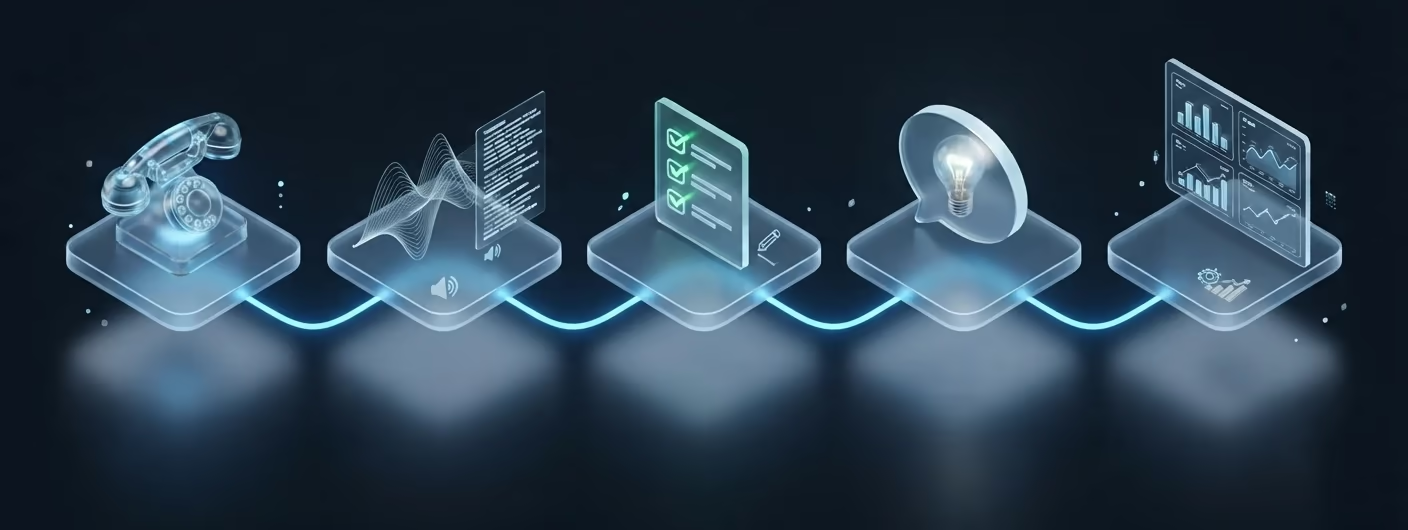
Here is how it works:
- Call recording. Calls are recorded automatically through your telephony or call center, with no extra work for the agent.
- Transcription. Audio is turned into text. There is no need to listen again, because a conversation can be read in seconds.
- Analysis against your business criteria. Each business defines its own scoring criteria for its department and line of work. The system is set up around your processes, not an averaged template.
- Summary and tips for the agent. The system produces a short summary of the conversation, shows which points the agent missed, and suggests how to improve the next calls.
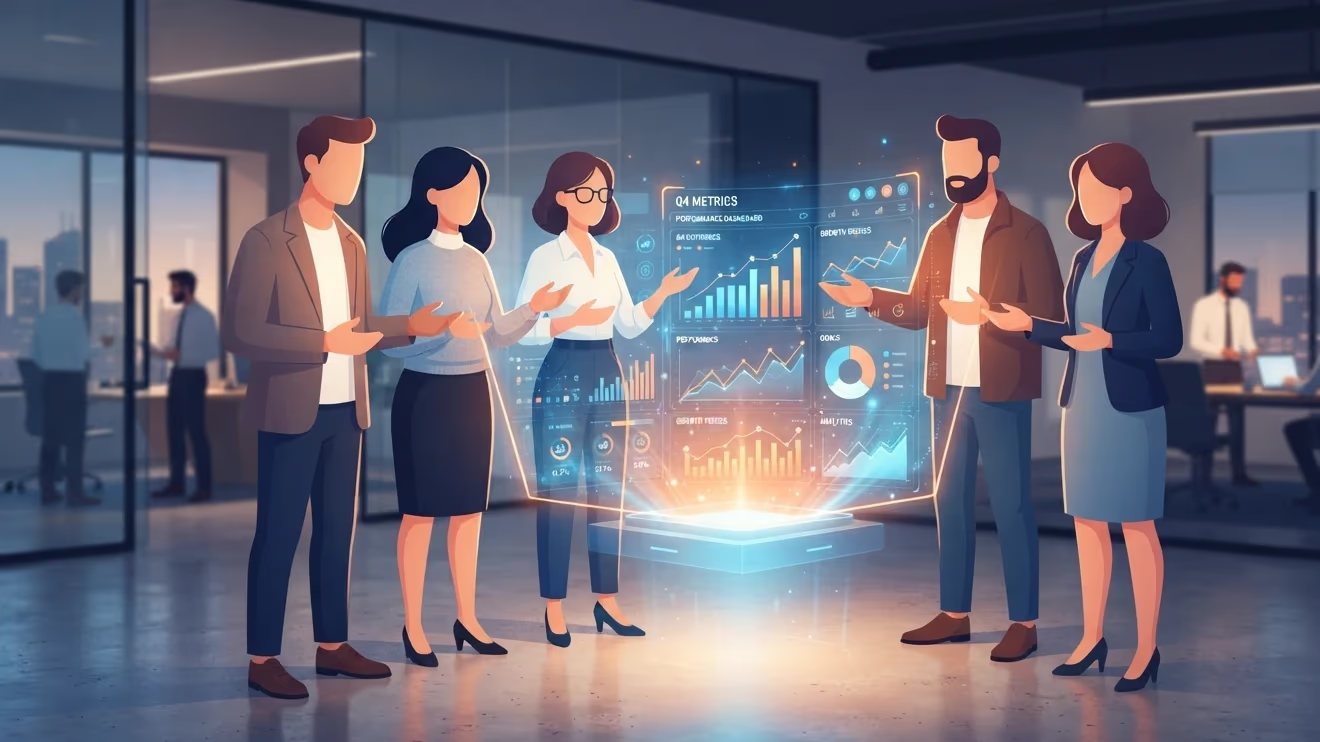
- Dashboard for leadership. Leaders see an up-to-date picture by person, department and topic, without any manual listening.
"Our line handles very different topics" is not an obstacle. It is exactly what we do
This is the objection we hear most often: "our hotline gets requests of very different kinds, and it is hard to cover them all in one scoring scenario." Fair enough, and that is exactly why speech analytics doesn't run on a single universal scenario.
The system automatically recognizes the topic of each call and applies a separate checklist to it: a payment call is scored on one set of points, a complaint on another, a technical question on a third. You don't have to force every conversation into one scenario, because the system decides which checklist fits each call. We have already built this for the contact centers of a pharmacy chain, a payment system, a bank and a microfinance company, all businesses where a single line takes questions of every kind.
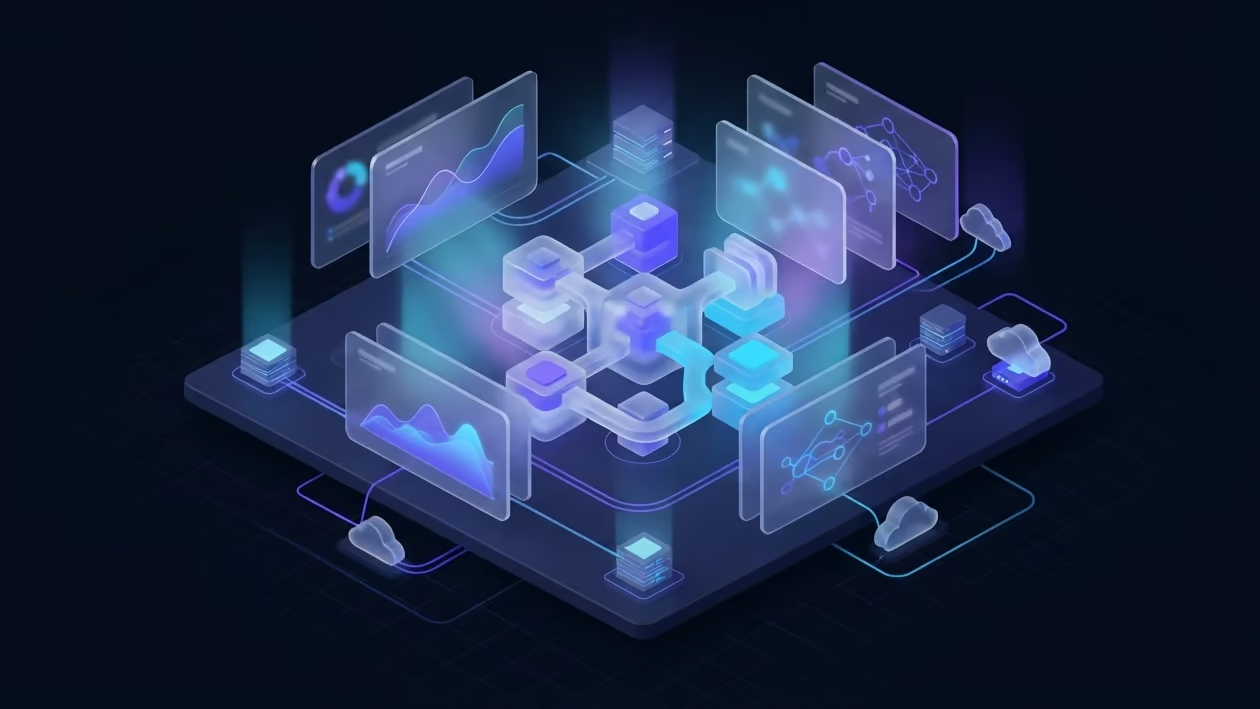
This is what removes the main headache of manual QA. There is no longer a sample to listen through, because every call has already been analyzed against the criteria relevant to its topic.
What this gives your team
New hires
- Faster onboarding. After each call you can see the specific points they missed or only partly covered, so you can respond right away instead of waiting for the next mentoring session.
- Learning from the best examples. They can learn from real calls by the team's strongest agents, not only from theoretical training.
Agents
- An objective view of their own work. Clear tips on what to improve in the next calls, without the feeling of being manually "watched".
- Analytics over time. They can see exactly where they fall short (say, a great greeting and a good presentation, but a weak close) and get concrete advice on fixing it.
Department heads
- The full team picture without manual listening. You can see who is slipping at which stage and which topics training should focus on.
- Data for management decisions. Analytics on every agent in the department is the basis for training, bonuses and other decisions about the team.
Company leaders
- Objective data across the whole contact center. Real growth areas instead of subjective impressions from selective listening.
- Understanding customer and business pain points. Weak spots and the reasons behind complaints and repeat contacts, in numbers. Decisions based on numbers grow profit and strengthen the brand's reputation with customers.
Marketing
- Real customer objections and pain points, word for word. The system collects what customers actually say: "too expensive", "I don't have time", "I'm afraid to trust this online". Those are ready-made topics for content, landing pages and objection handling in ad creatives, with no invented hypotheses.
- Topic and demand trends. You can see which questions come up most and how that changes over time: seasonality, new demand trends, products customers mention together.
- Traffic quality by lead source. If a campaign brings calls with irrelevant requests or low-quality conversations, it shows in the call topics and scores, not only in CRM conversion.
- Reaction to offers and wording. Conversation sentiment shows how customers react to a specific promotion or script, so you can change the message quickly if it isn't landing.
Why it pays off
A few reference points worth keeping in mind:
- Response speed affects the chance of qualifying a lead. In the Lead Response Management study (InsideSales.com and James Oldroyd of MIT, 2007), based on data from six companies and over 15,000 web leads, the odds of qualifying a lead called within 5 minutes were 21 times higher than for one called at 30 minutes. Analytics lets you see right away where your agents' response speed is lagging. Study text (archived copy)
- Manual QA costs far more than automated QA. Having a QA specialist score one call (about 10 minutes of work) costs more than an automated AI score of the same call, and it covers 3–5% of calls instead of 100%.
- Objectivity instead of disagreement between reviewers. The same call often gets noticeably different scores from two human reviewers. The system scores every call against the same criteria, with no "bad mood" or personal bias.
The logic is simple. When a company moves from selective listening to automated scoring of every conversation, it can see and fix mistakes on the very first call instead of finding out after the fact. With the same ad budget and the same team, that can help bring down the cost of winning a deal.
Where to start
Speech analytics doesn't replace your team. It is a tool that gives leaders and agents what they have always lacked: an objective picture of 100% of conversations instead of a 3–5% sample, and specific tips instead of a general "work harder".
We would be glad to show you how it works on your own contact center and your own call topics, with no obligation. One short meeting is enough.